
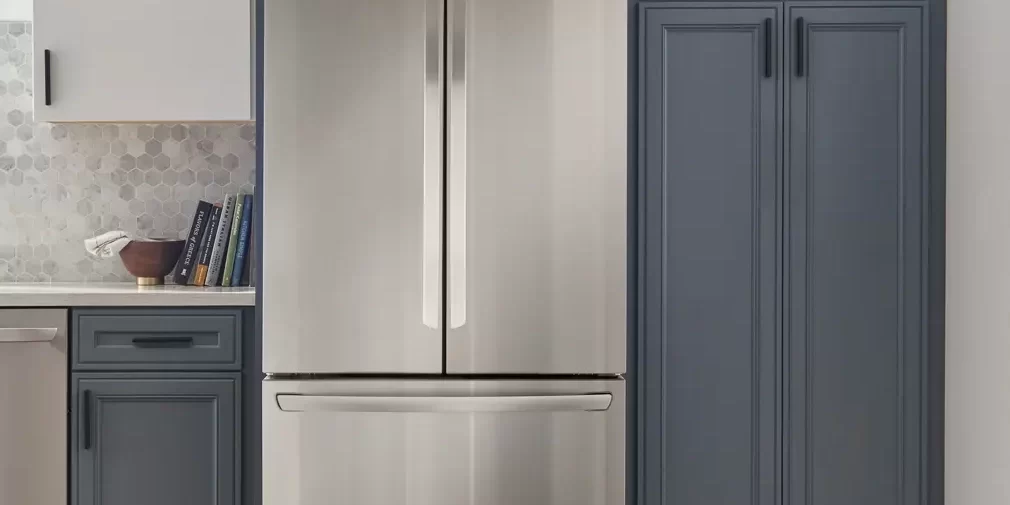
Your refrigerator is one of the most essential appliances in your home, keeping your food fresh and safe to eat. Proper maintenance is key to ensuring its longevity and efficient operation. Here are some practical tips to help you maintain your refrigerator.
1. Clean the Coils
The condenser coils, located either at the back or beneath the refrigerator, can accumulate dust and debris over time. Dirty coils force the fridge to work harder, increasing energy consumption and reducing efficiency. Clean the coils every six months using a vacuum cleaner or a coil brush.
2. Check the Door Seals
The door seals (gaskets) ensure that the cold air stays inside the refrigerator. Over time, seals can become dirty or worn, leading to air leaks. Clean the seals regularly with a mixture of baking soda and water to remove any residue. If you notice any cracks or gaps, replace the seals to maintain the efficiency of your fridge.
3. Set the Right Temperature
Maintaining the correct temperature settings is crucial for food safety and energy efficiency. The ideal temperature for your refrigerator is between 35°F and 38°F (1.6°C and 3.3°C), and for the freezer, it should be 0°F (-18°C). Use a thermometer to check the temperature periodically.
4. Keep It Full, But Not Overloaded
A full refrigerator retains cold better than an empty one, but avoid overloading it. Proper airflow is necessary for even cooling. Leave some space around items and avoid blocking the air vents to ensure optimal performance.
5. Defrost the Freezer
If you have a manual defrost freezer, frost buildup can decrease its efficiency. Defrost the freezer when the frost layer reaches about a quarter-inch thick. Turn off the appliance, remove the contents, and allow the ice to melt naturally. Clean and dry the interior before turning it back on.
6. Clean the Interior
Regularly cleaning the inside of your refrigerator helps prevent odors and mold growth. Remove all food items and shelves, and wash them with a solution of mild soap and warm water. Dry everything thoroughly before placing items back in the fridge.
7. Replace the Water Filter
If your refrigerator has a water dispenser or ice maker, it likely has a water filter that needs regular replacement. Follow the manufacturer’s recommendations for how often to replace the filter, typically every six months, to ensure clean and safe drinking water.
8. Inspect the Drip Pan and Drain Hole
Refrigerators often have a drip pan and a drain hole to collect and evaporate condensation. Over time, these can become clogged or dirty. Clean the drip pan and ensure the drain hole is clear to prevent water from accumulating inside the fridge.
9. Keep It Level
A refrigerator that is not level may not close properly, leading to inefficient cooling and higher energy consumption. Use a level to check and adjust the refrigerator’s feet as needed to ensure it sits evenly on the floor.
10. Monitor and Address Strange Noises
While some noise is normal, unusual sounds can indicate a problem. If you hear loud or persistent noises, inspect the fridge for any loose or damaged parts and consult the manual. If necessary, call a professional technician to diagnose and fix the issue.
By following these maintenance tips, you can extend the life of your refrigerator, improve its efficiency, and ensure that it continues to keep your food fresh and safe. Regular upkeep not only saves you money on repairs and energy bills but also contributes to a more sustainable household by reducing the need for frequent replacements.